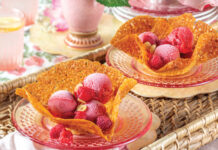
When drifts of petals tinged with the faintest blush flutter through the air, carried about on an early spring breeze, allow this gentle beauty to inspire a menu boasting the most delicate of flavors. For a refreshing approach to seasonal entertaining, we explore the culinary wonders of Japanese fare in our March/April 2024 Cooking and Entertaining. Victoria test kitchens chef Izzie Turner, who developed the recipes featured in “Among the Cherry Blossoms,” recommends these top ten pantry staples for forays into Asian cooking.
1. Soy Sauce
Ideal for flavoring soups, meats, vegetables, and more, this dark salty liquid—made by fermenting soybeans and roasted wheat—is used prominently in preparation and as a condiment. Although there is great variation among brands, light soy sauce is generally thinner and saltier than dark soy sauce. Our chef recommends tamari, an aged Japanese formulation, as a delicious gluten-free option. Soy sauce emboldens our zesty Marinated Flank Steak.
2. Rice Vinegar and 3. Rice Wine
Many Asian recipes call for one of these ingredients, and there are some important distinctions between the two to keep in mind. Rice vinegar is made from fermented rice, with varieties including the nearly clear Japanese version made from sake to a range of white, red, and black selections used in Chinese cuisine. Find this ingredient in the marinade for our Scallop and Shrimp Seviche. Low in alcohol content, rice wine is golden and sweet. Unlike vintages made from fruit, rice wine is produced by the fermenting of freshly steamed glutinous rice.
4. Miso
A key ingredient in miso soup, this fermented bean paste is a versatile and nutritious mainstay of Japanese cooking. “The most commonly used is white miso, but red is my favorite,” says Izzie. Lighter varieties work well for more delicate recipes, while darker versions enhance heartier dishes. “Miso is great to keep in the freezer for whenever you need it,” she adds. “It never freezes solid, so there is no need to defrost.”
5. Fish Sauce
Popular throughout Southeast Asia, this flavoring and condiment is made from fermented fish, such as anchovies, and known for its pungent scent and saltiness. Among brands found at Asian markets, there is great variety in overall character.
6. Sesame Oil
Contrasting the light sesame oil featured in many salad dressings, Asian sesame oil is darker and stronger and flavor. These varieties are often expressed from roasted or toasted sesames. Dark sesame oil enhances the shiitake mushroom bacon that crowns our Chilled English Pea Soup.
7. Hot Sauce
Among condiments made from hot peppers, vibrant red Sriracha sauce hails from Thailand but has become increasingly common on Southeast Asian and Western tables. Izzie suggests keeping an array of hot sauces on hand. “Sriracha sauce is smooth, while chili-garlic sauce has texture,” she explains.
8. Sesame Seed Paste
Our Greek Lemon Butter Cookies include a sprinkling of white sesame seeds. Along with these and black sesame seeds, which lend slightly sweet, nutty flavor to a variety of cuisines, consider the creamy paste rendered from the ground and roasted seeds as an enhancement to Chinese cooking.
9. Rice
While this cereal grass figures prominently in many food cultures, varieties to be explored in Asian cooking include short- or medium-grain rice and rice noodles. Sweet rice, also called glutinous or sticky rice, is available at most Asian markets. Japanese sweet rice is a short-grain variety with a sticky texture that works well in many desserts.
10. Panko
Japanese bread crumbs, highlighted often in Victoria recipes, boast a coarser texture than traditional bread crumbs, allowing for a delightfully crisp finish that works well for fried or sautéed dishes. Along with using the ingredient as a coating for entrées, including Herb-Crusted Rack of Lamb, test kitchen chefs utilize panko in inventive ways, such as the pistachio crust of Roasted Rhubarb and Pistachio Savory Goat Cheese Cheesecakes.
Text Melissa Lester
Photography Stephanie Welbourne Steele
Styling Melissa Sturdivant Smith
Recipe Development Izzie Turner
To sample a refreshing springtime menu of Japanese fare, see “Among the Cherry Blossoms” in the March/April 2024 issue, available on newsstands and at victoriamag.com.