Providing an opulent backdrop for aristocratic soirées as well as a haven of security during turbulent times, the elegant environs of Château de Valençay echo with stories rich in history and intrigue.
During World War II, the Louvre entrusted some of its most treasured works to Château de Valençay for safekeeping. But long before that, the halls of this legendary estate served as both a refuge for one of France’s most resilient diplomats and a repository for the luxurious collection of furniture and artwork that reflect the refined tastes and enduring capacity of the bon vivant.
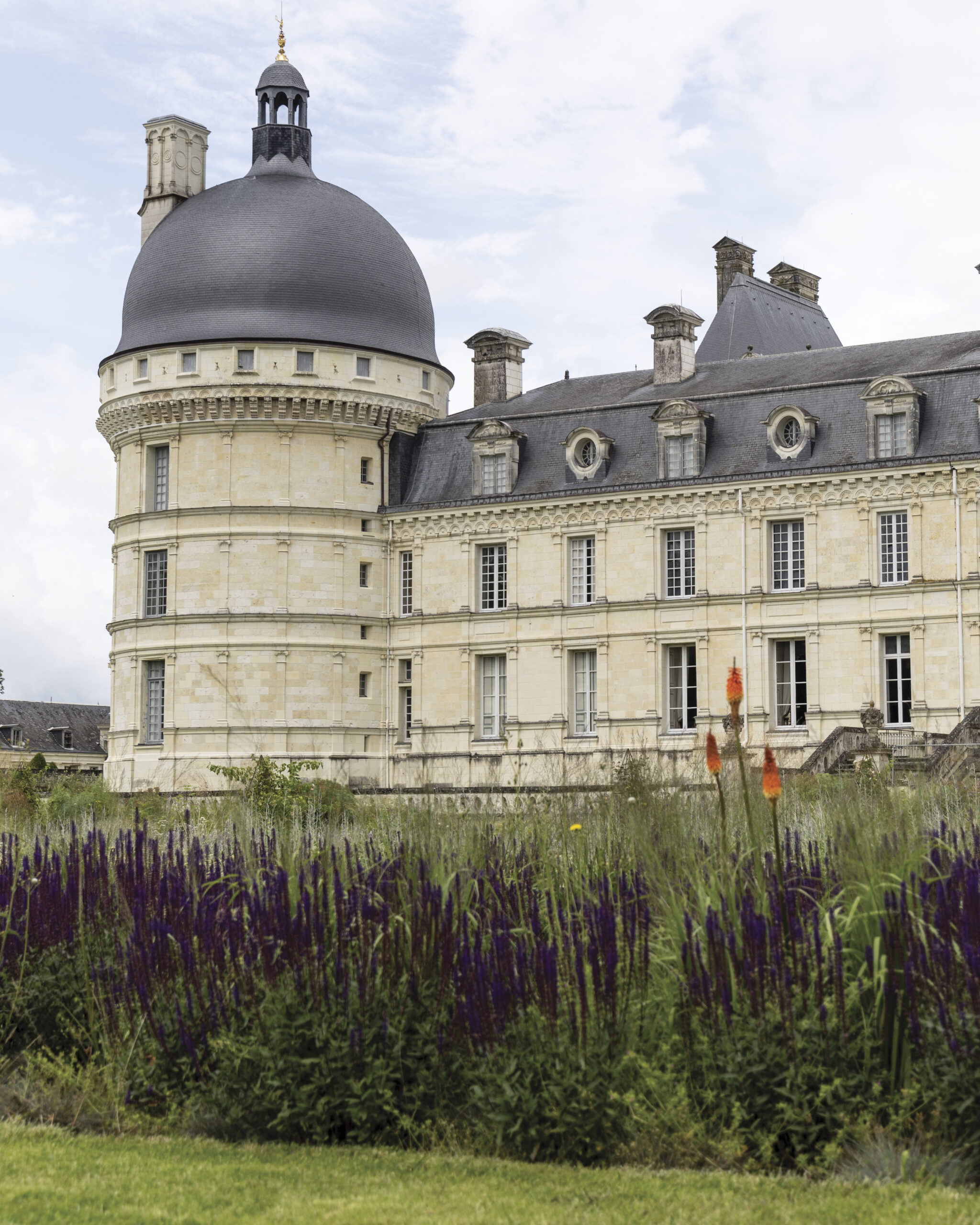
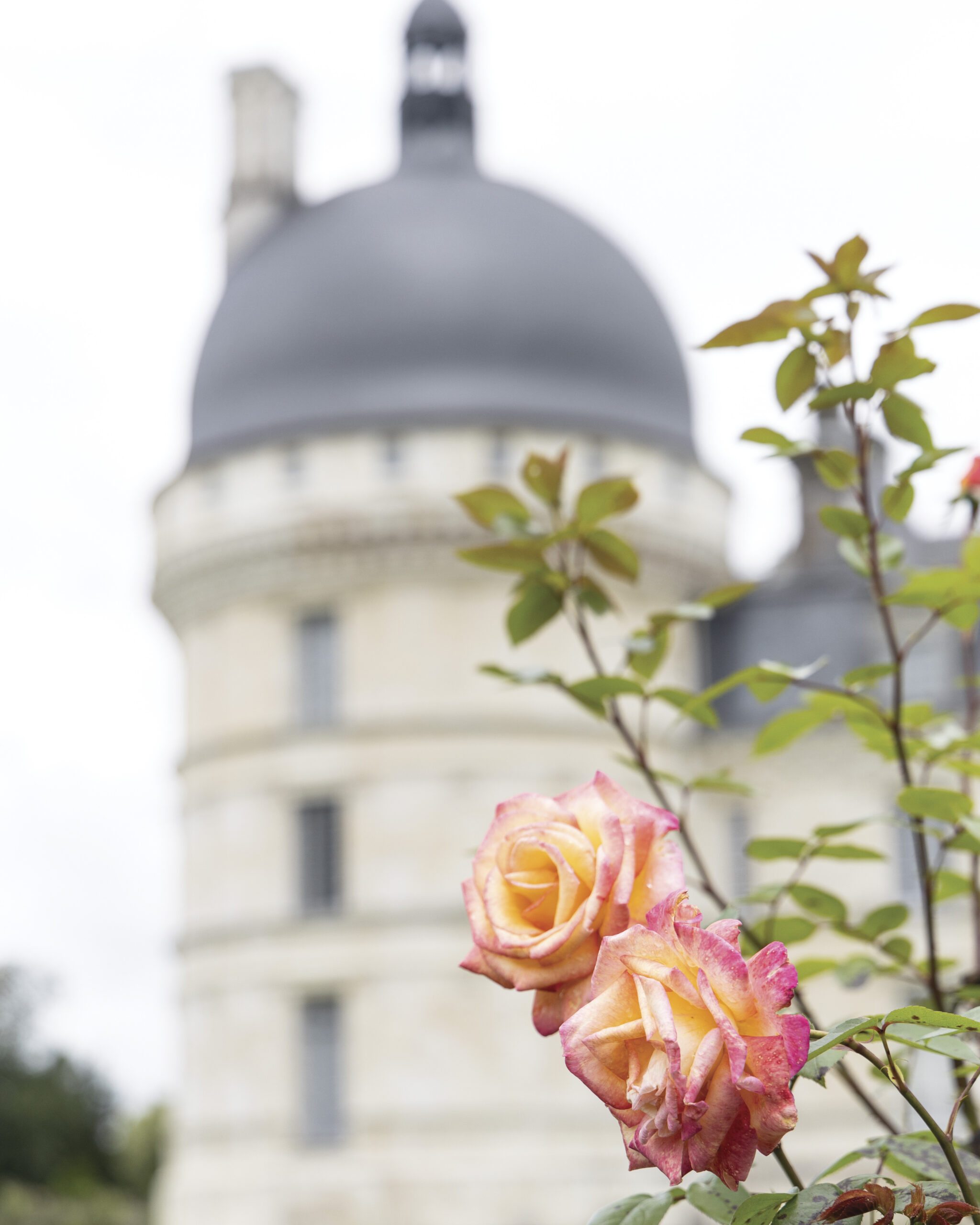
Strategically positioned in Central France, between Paris and more southern regions, the commanding stone façade and turreted towers of Château de Valençay rise amidst a majestic courtyard and well-manicured gardens full of ornate parterres, boxwood hedges, and burgeoning flower beds surrounded by ancient woodlands. Although a feudal domain occupied the land during medieval times, in 1451, the powerful d’Estampes family acquired the fiefdom and replaced the fortified castle with a Renaissance-style château that grew larger over the following three centuries.
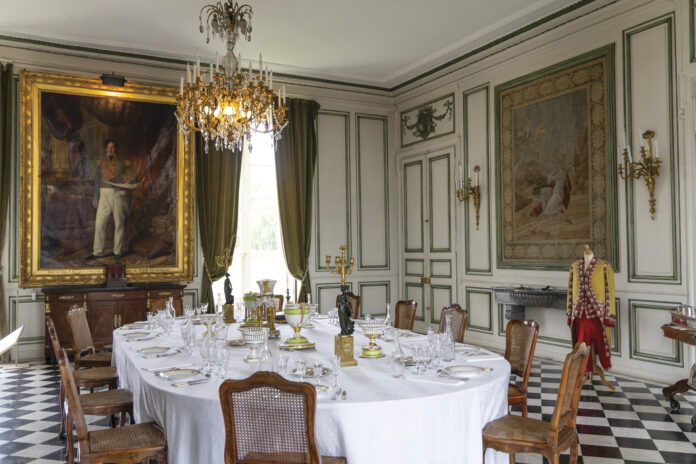
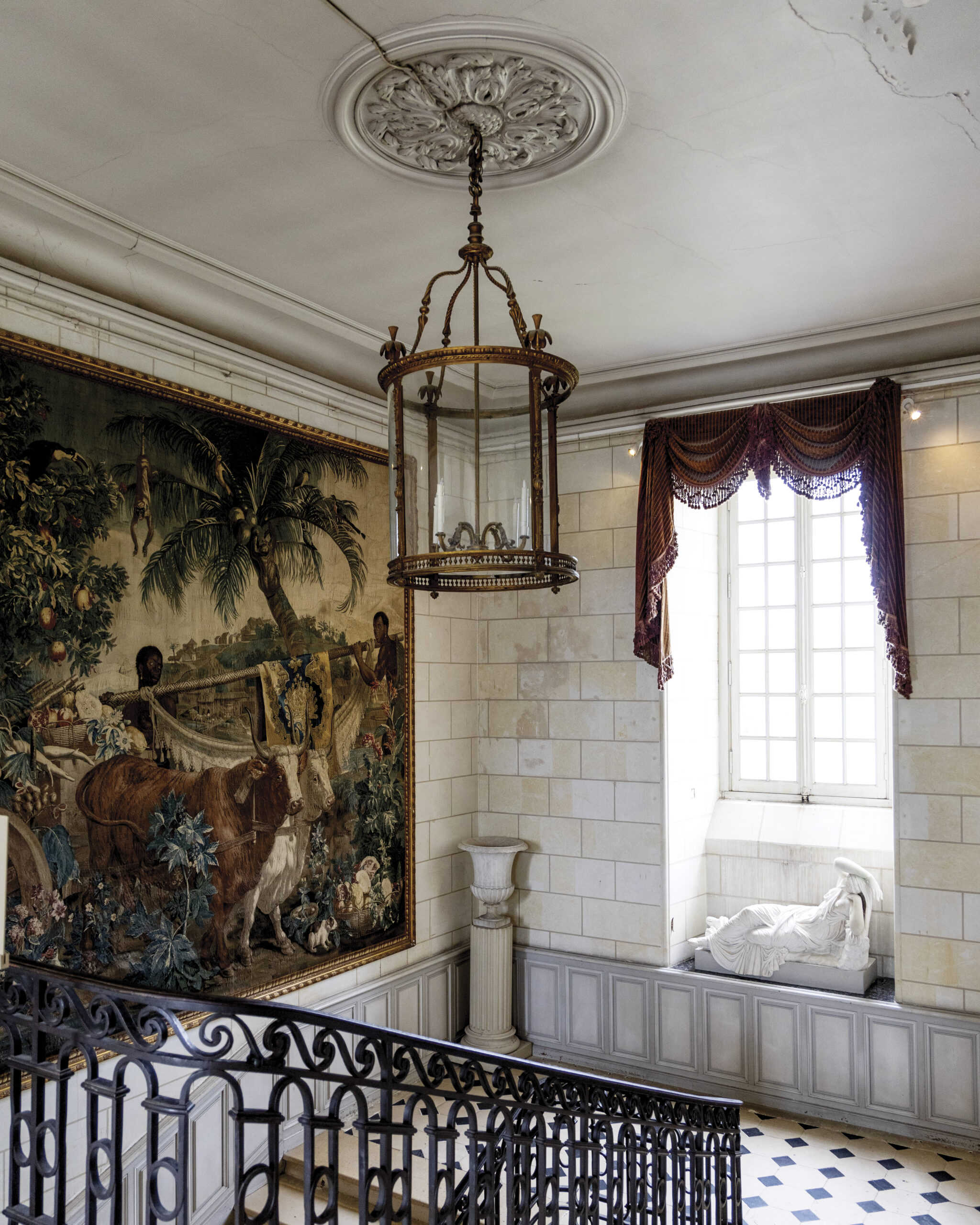
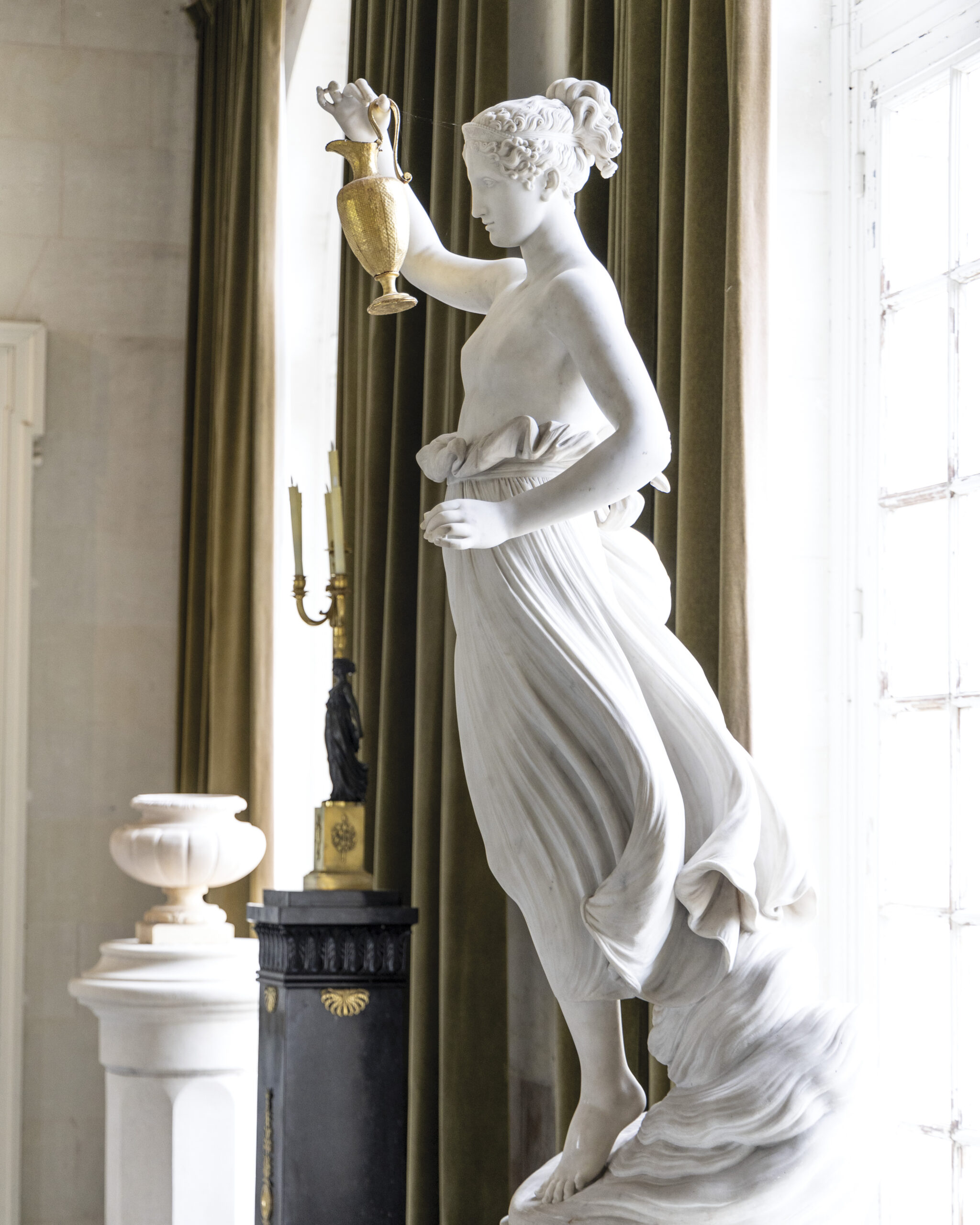
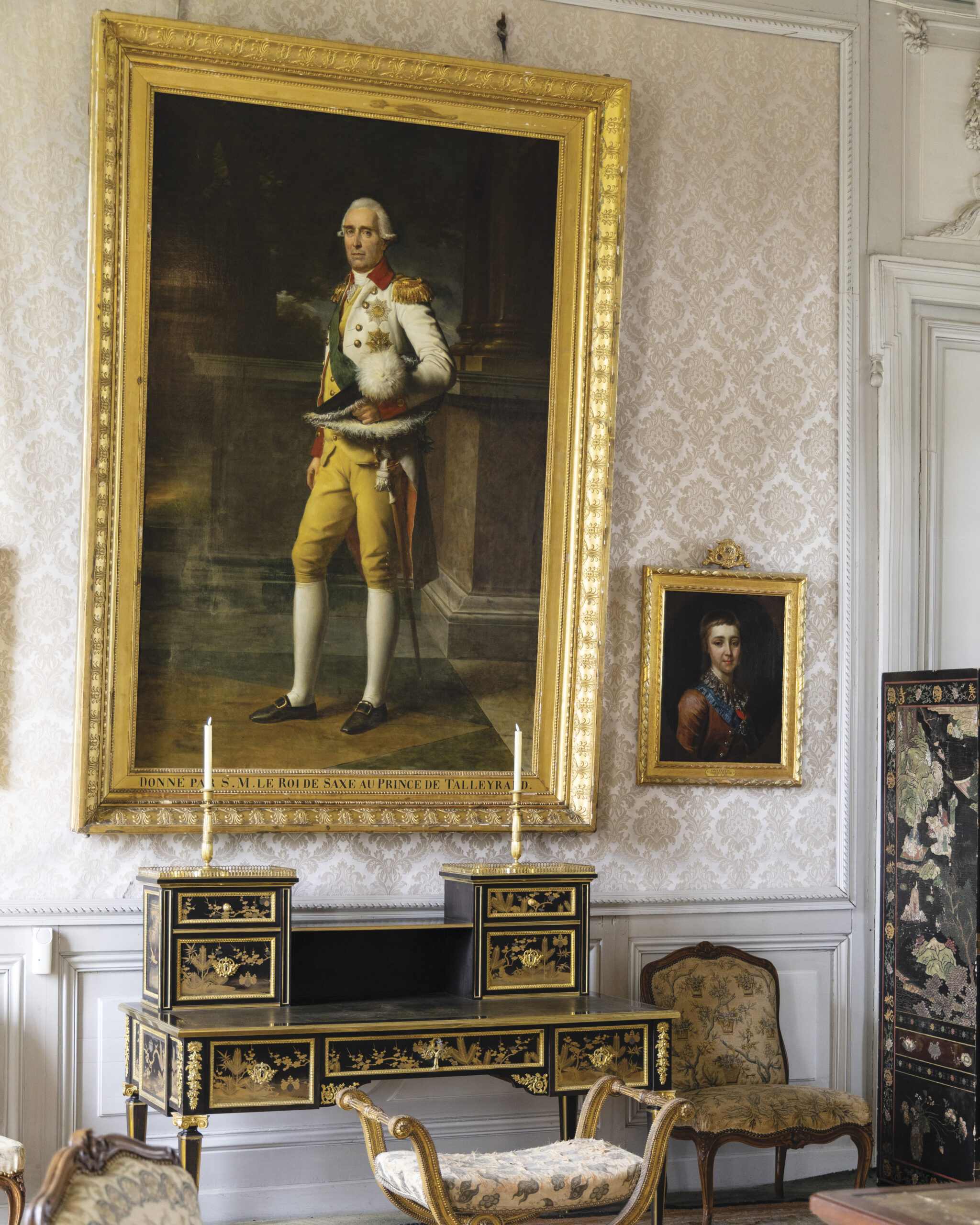
In 1803, French statesman Charles-Maurice de Talleyrand-Périgord—with the aid of Napoléon Bonaparte—purchased Valençay. Known for strategic brilliance, wit, and his love for beauty, Talleyrand sumptuously appointed his surroundings in a manner well befitting a gentleman who often entertained powerful European dignitaries. Celestial chandeliers illuminated grand salons filled with silk draperies, gilded mirrors, and ornate furnishings hailing from the era of Louis XV to the Restoration period.
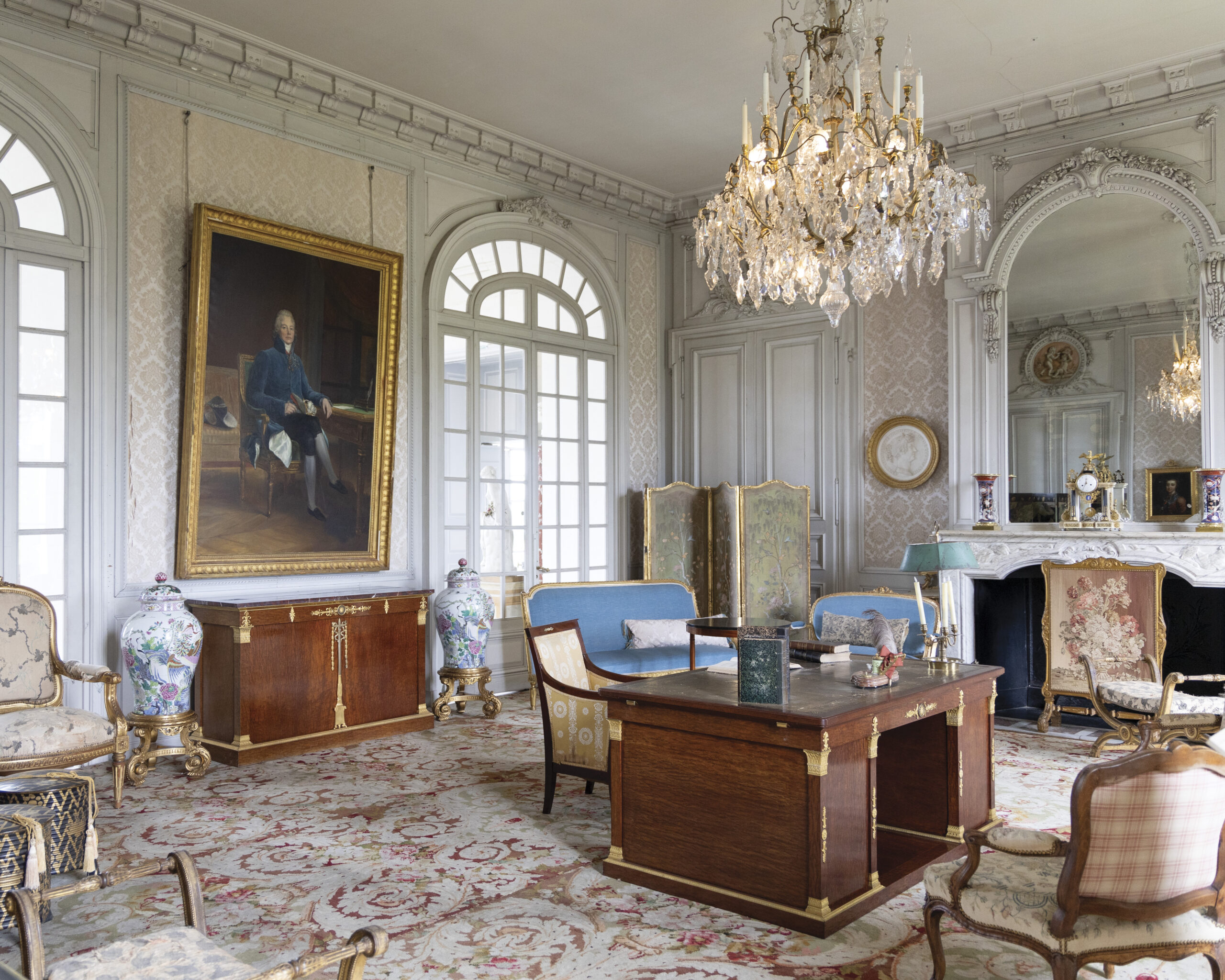
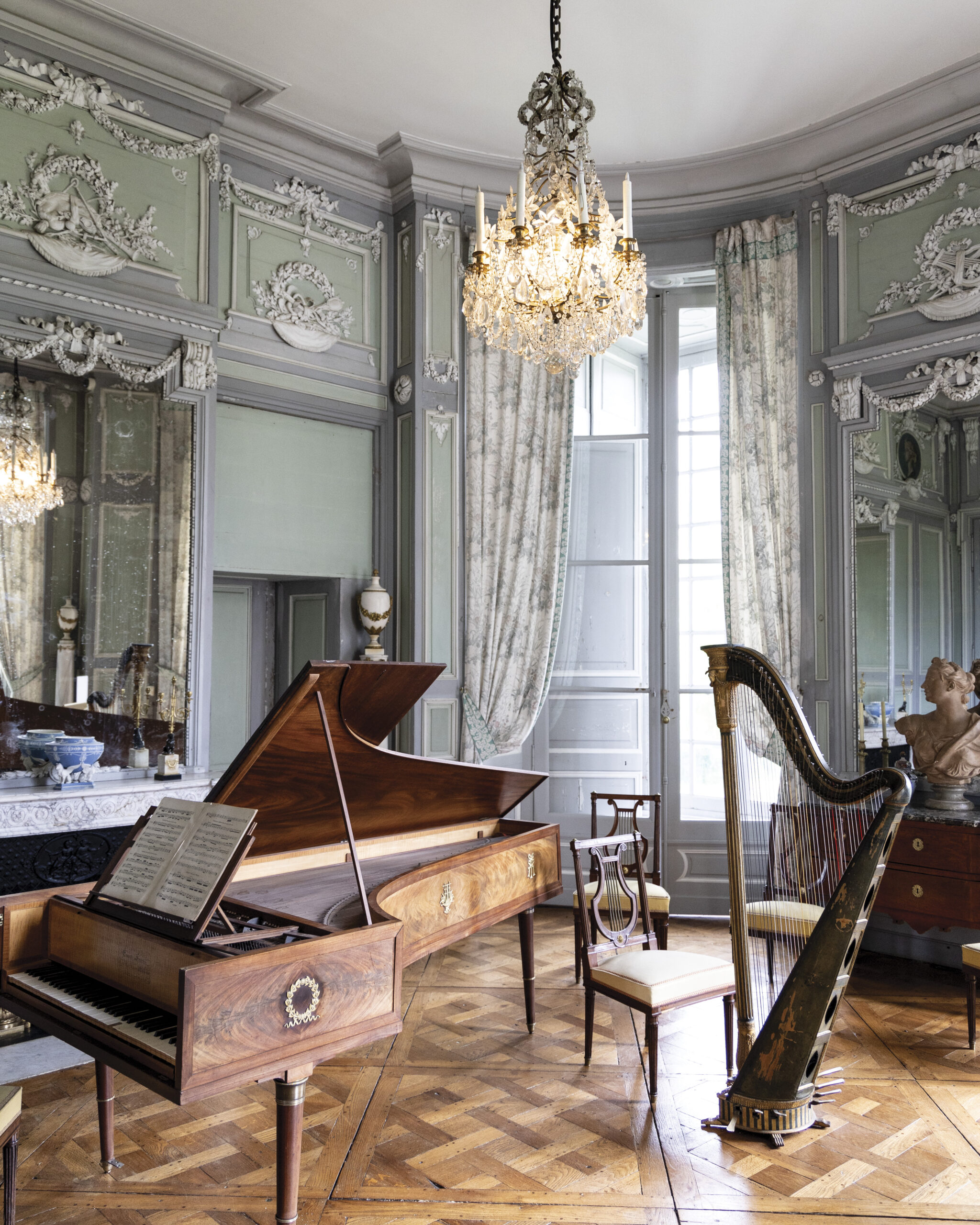
In addition to renovating the interiors and improving the sweeping grounds, Talleyrand also possessed a great appreciation for the stage. He commissioned the building of a theater in the communal area of the château, where he and guests could enjoy both music and plays. In many ways, Talleyrand himself was the ultimate master of the stage, his life and actions adroitly orchestrated to suit the moment and ensure survival—for himself, his family, and the glorious surroundings of Château de Valençay—during one of the most tumultuous periods in French history.
Discover more enchanting palaces and enthralling destinations with a Victoria magazine subscription.