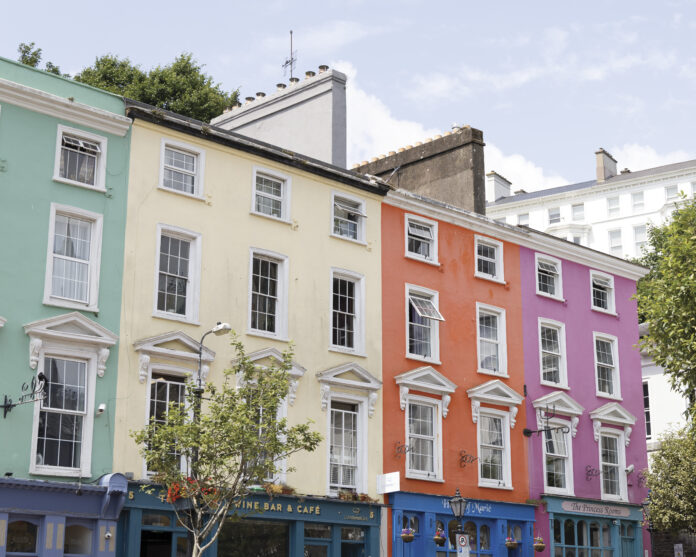
Rising like a staircase from the banks of River Lee, the vibrant metropolis of Ireland’s second-largest city unfurls across its island base, spreading in a tapestry of pastel shop fronts, legendary food markets, and romantic stone bridges arching above waterways. Cathedral spires pierce the skyline, heralds of the history that threads through. What began as a humble monastic settlement in the sixth century later became a Viking trading post and, eventually, a fortified medieval city shaped by Norman influence.
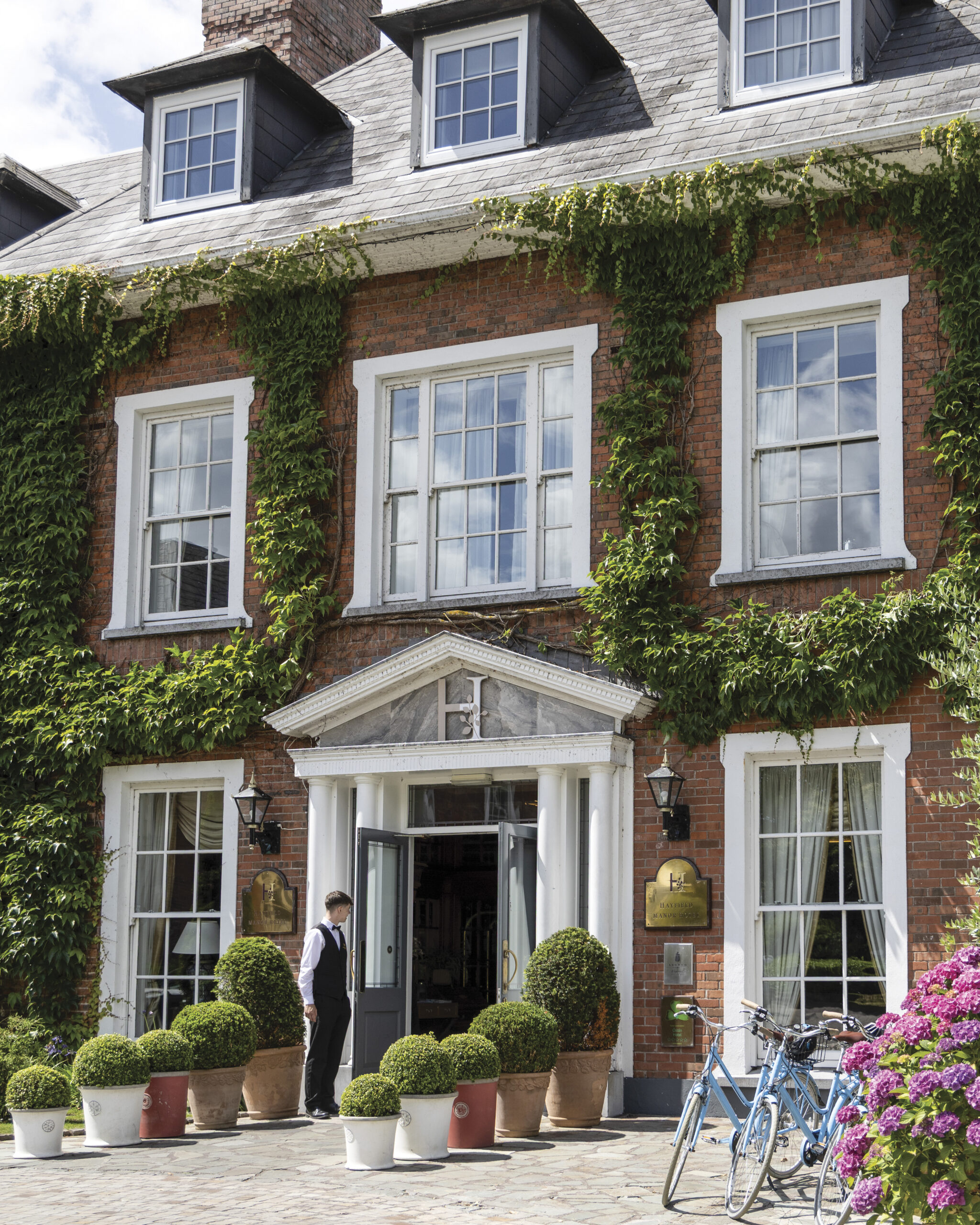
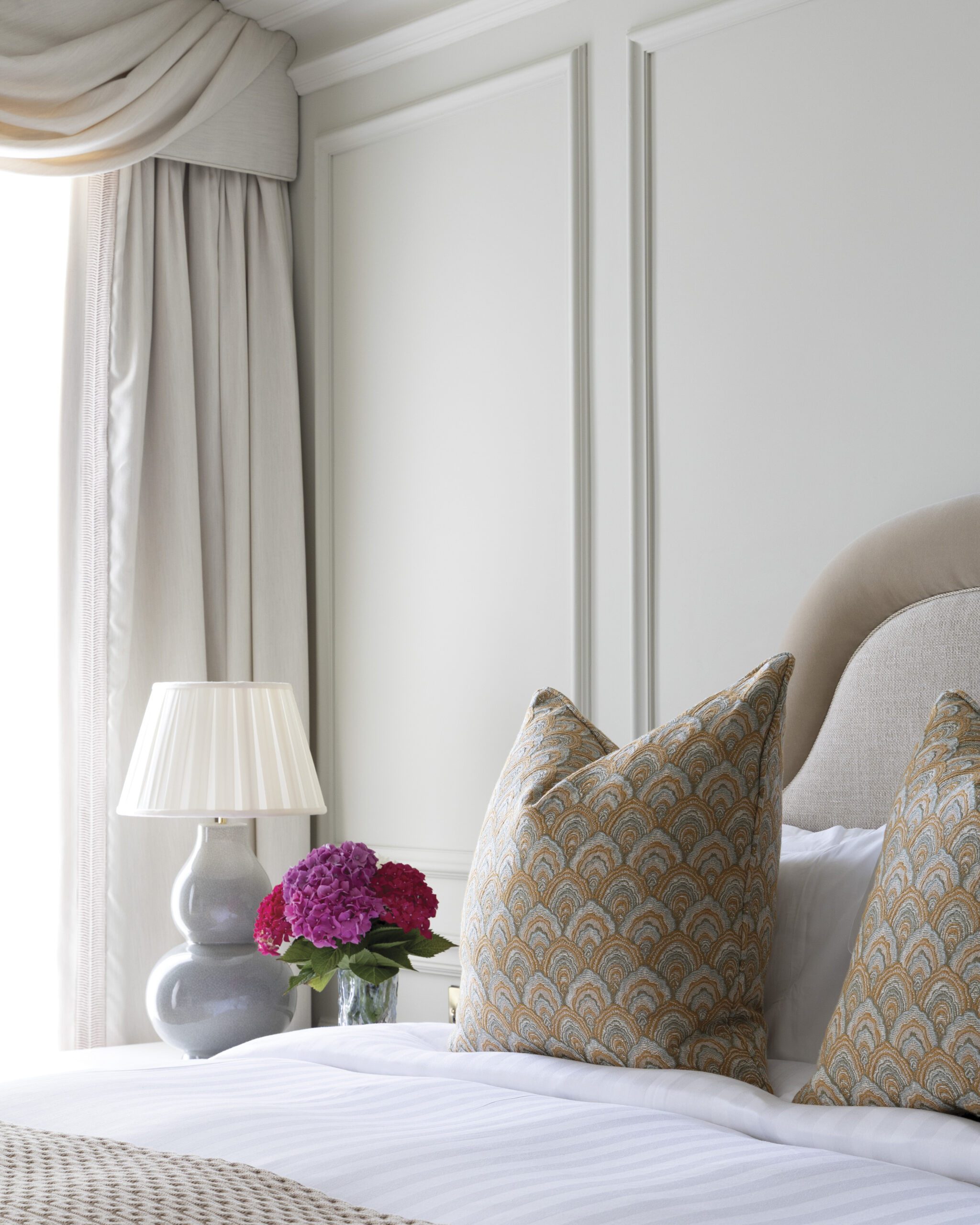
Today, Cork’s heritage blends with a cosmopolitan spirit. For travelers seeking an elegant home base to explore sights aplenty, Hayfield Manor stands as Cork’s most luxurious haven. Tucked within the leafy enclaves nearby University College Cork, the hotel is a boutique experience marked by private gardens and sumptuous spaces for afternoon tea or evening cocktails, an inviting refuge when the bustle of the city calls for a touch of pampering. Once the family home of a prominent nineteenth-century merchant, Hayfield Manor was rebuilt nearly thirty years ago, preserving its time-honored sophistication while being thoughtfully reimagined as a luxury hotel for today’s travelers. Stylish rooms, warm hospitality, and exceptional dining combine to create an unforgettable stay.
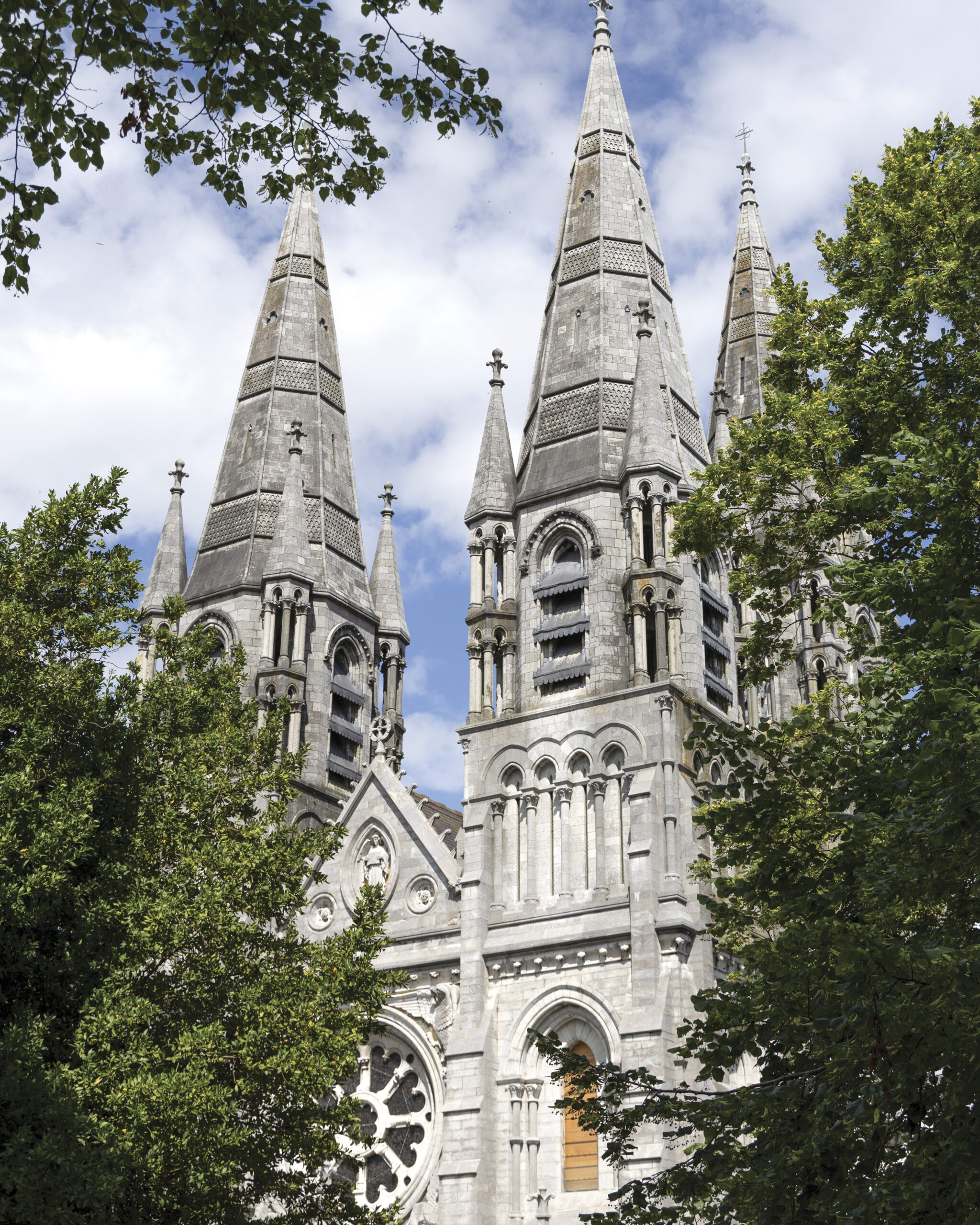
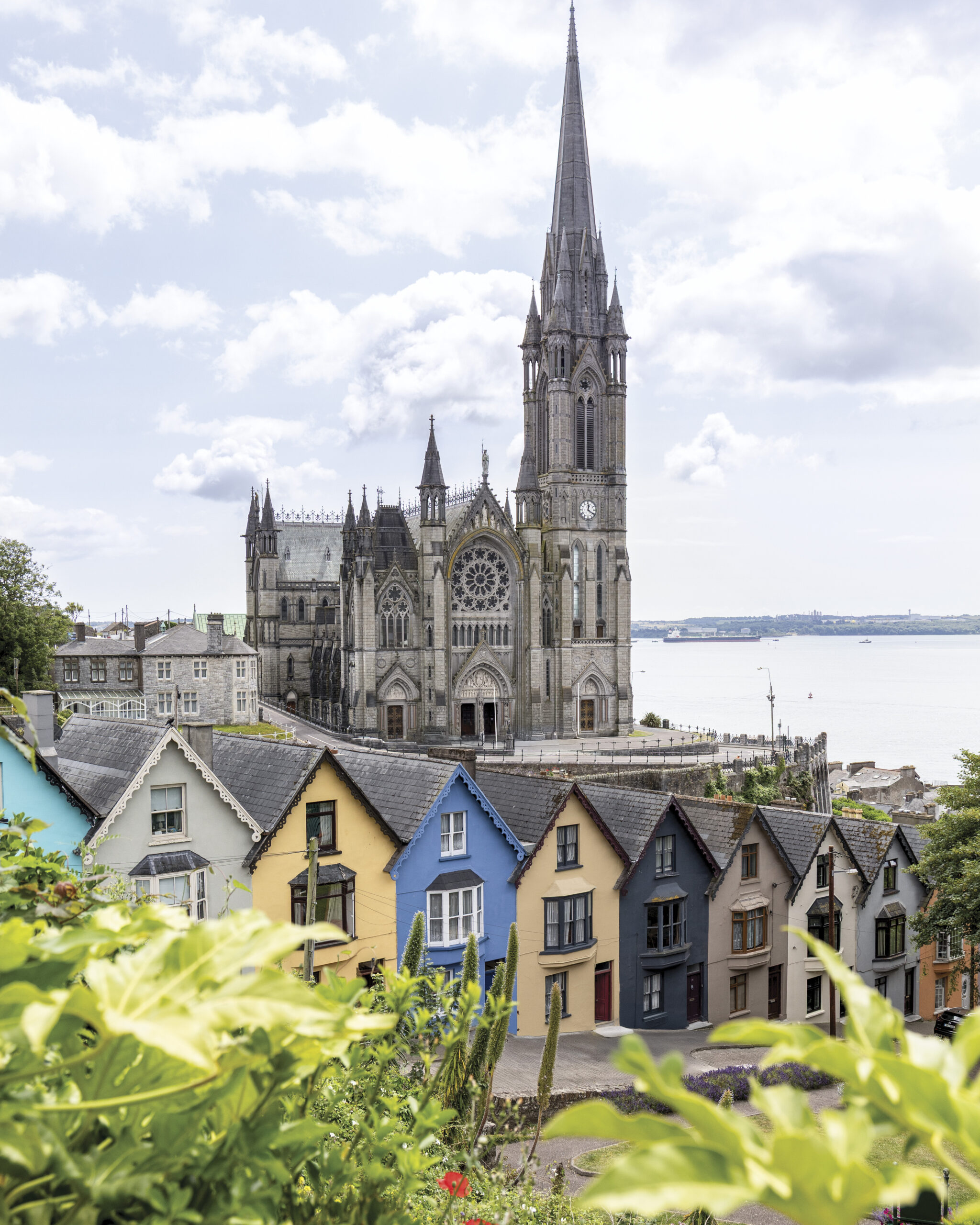
Yet no sojourn to Cork feels complete without venturing beyond the city to explore the verdant landscape sprinkled with postcard-perfect towns. Just a half-hour’s drive brings one to Cobh, the final point of call for Titanic passengers. Gentle waves kiss the quay of this seafaring village, where St. Colman’s Cathedral, left, crowns the hillside above the colorful street of “Deck of Cards” row houses. To the south lies Kinsale, a kaleidoscope-like fishing town celebrated as one of Ireland’s premier culinary destinations. Boats glide into the harbor with fresh catch, fueling patrons for hours spent meandering through artisan shops and eateries.
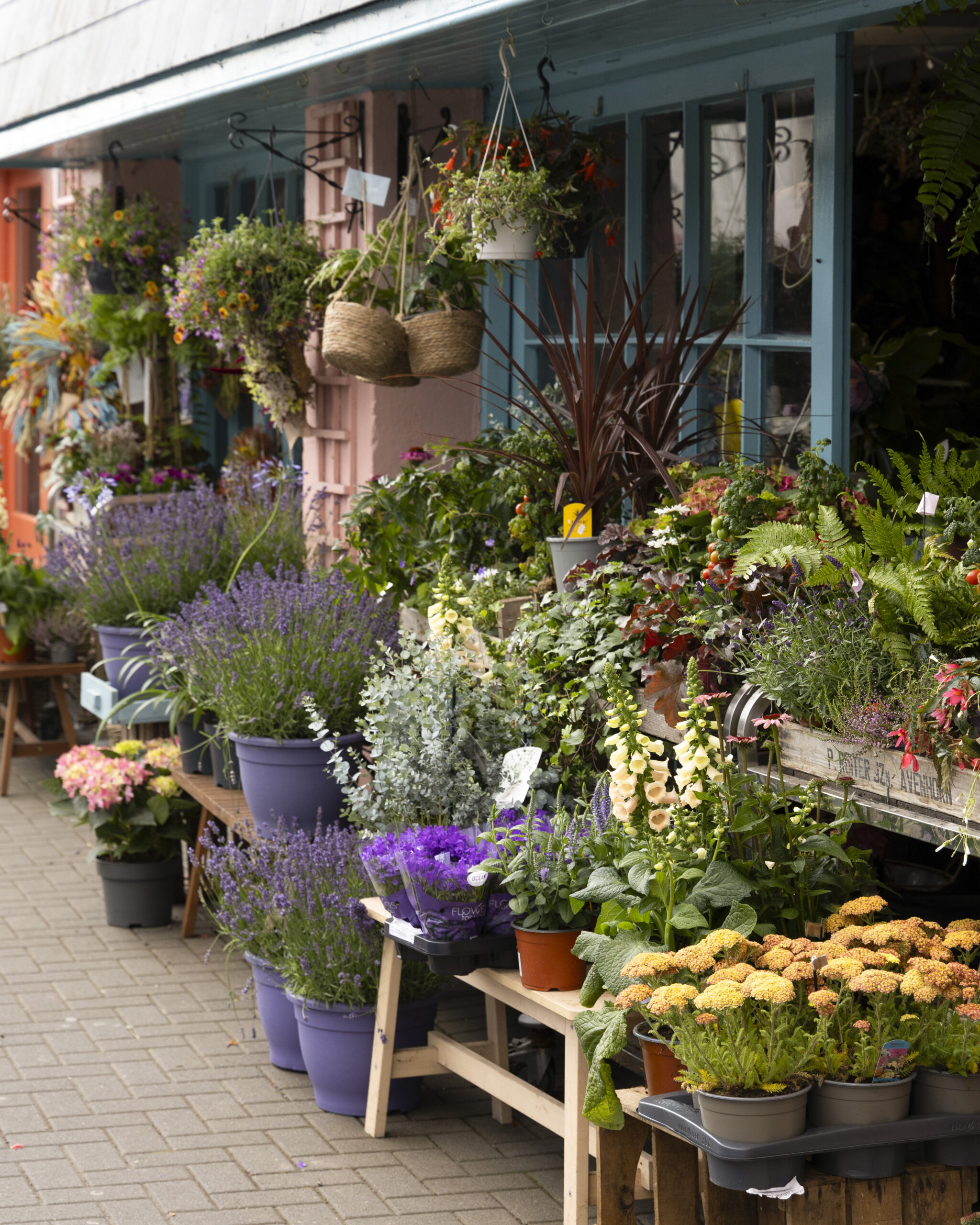
Framed by the glittering waves of the Celtic Sea below, Ireland’s serene southwest spans the gamut from the lively heart of Cork city to a string of storybook harbor towns, each brimming with enchanting scenery and a thriving cultural spirit. The best of Irish charm and heritage is defined in County Cork, where tracing the coastline unveils a myriad of gems tucked along the way.
To journey further along the Irish coastline, see “Cast Away to Cork” in the March/April 2026 issue, available on newsstands and at victoriamag.com.