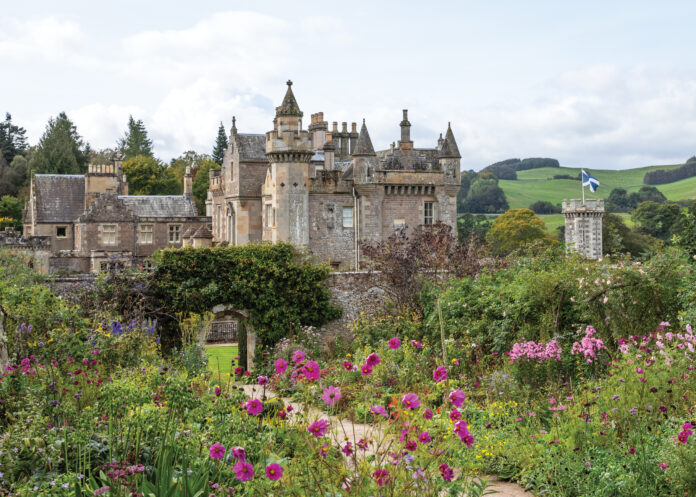
As if conjured from his ink-dipped quill, Abbotsford, the Baronial mansion of Sir Walter Scott is a whimsical and striking monument testifying to the creativity and passions of the beloved Scottish writer.
 When venerated nineteenth-century author and historian Sir Walter Scott purchased the 110-acre Cartleyhole property “on a bare haugh and bleak bank by the side of the Tweed,” he was eager to turn the forlorn landscape into the flourishing estate of his imagination. In fact, he began planting trees before he ever moved his family into the plot’s humble farmhouse, which would also benefit from his grandiose plans. But before he began renovating the house, he was keen to obtain more land, and within just a few years’ time, he had increased the demesne more than tenfold.
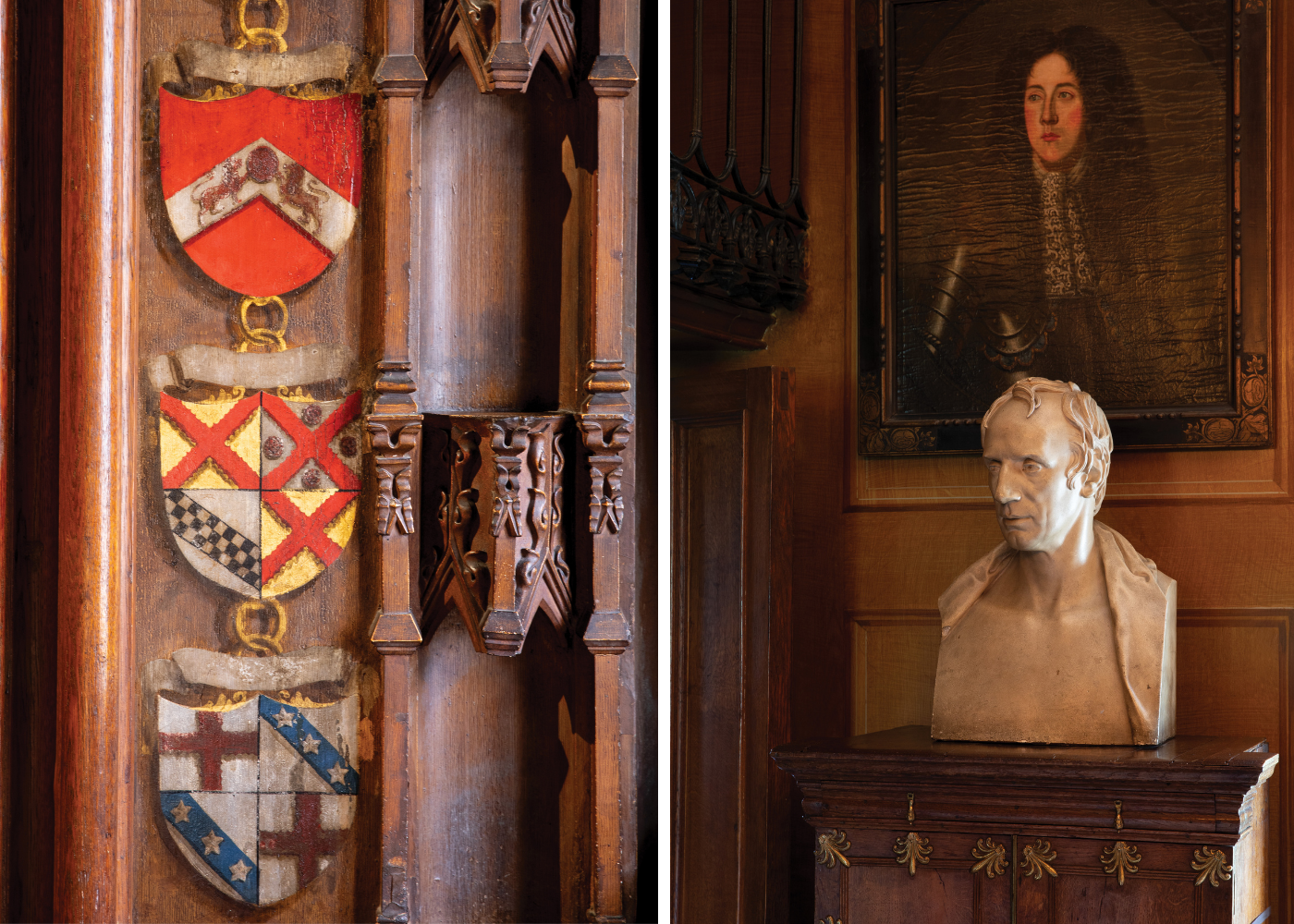
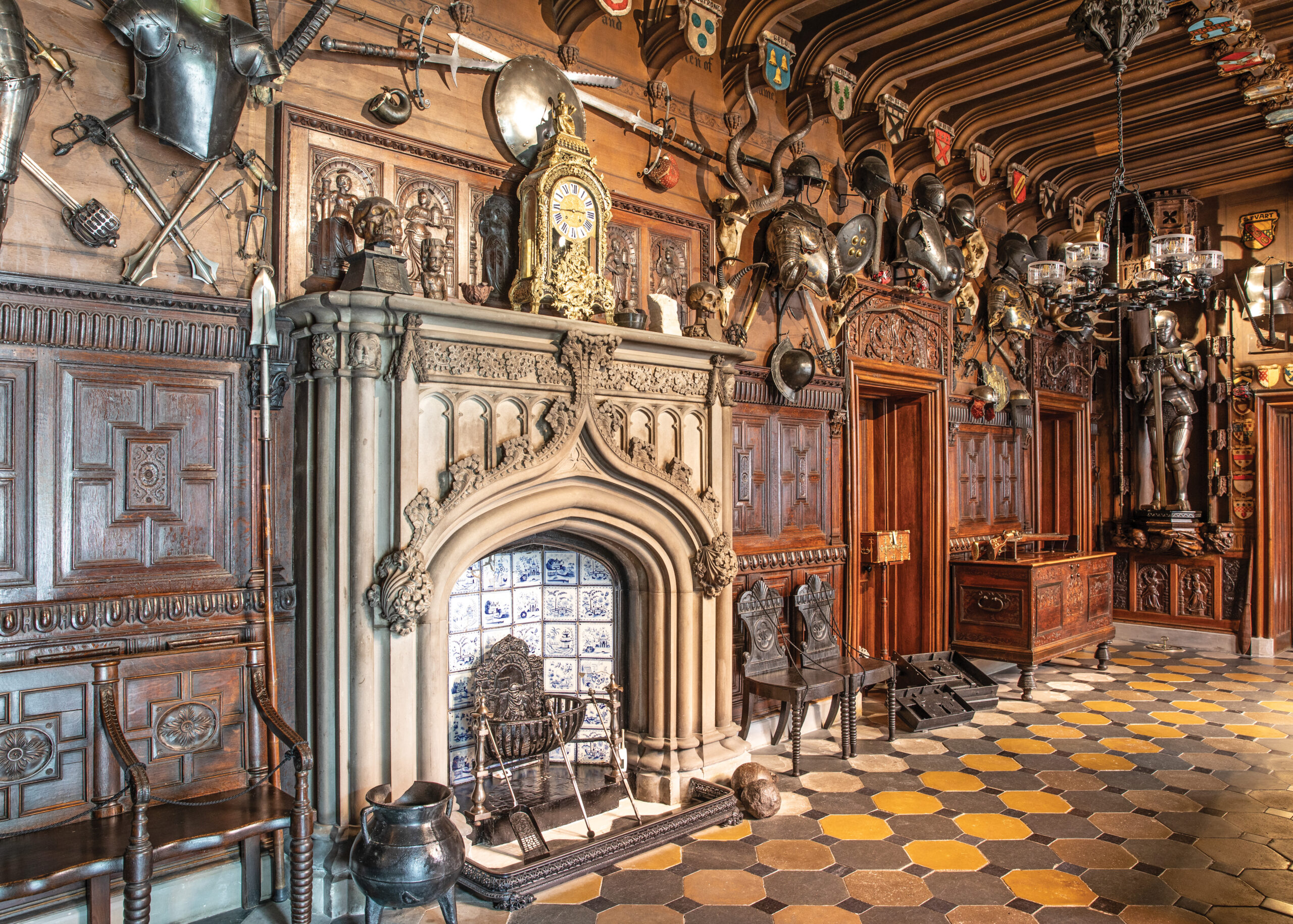 Esteemed for his collector’s eye, Sir Walter Scott maintained an armory boasting an astounding array of nearly four hundred items. Amongst the assemblage, the writer was most proud of the Marquis of Montrose’s sword, although there is no shortage of daggers, swords, and antiquated artillery. Throughout the halls of Abbotsford, displays of curios and artifacts reveal Scott’s varied interests from weaponry to books. In the writer’s study, a desk brought over from his previous home, Ashiestiel House, oversaw the penning of many of Scott’s beloved compositions and poems, and two secret compartments held dozens of letters written by Scott to his wife, Margaret Charlotte Carpenter.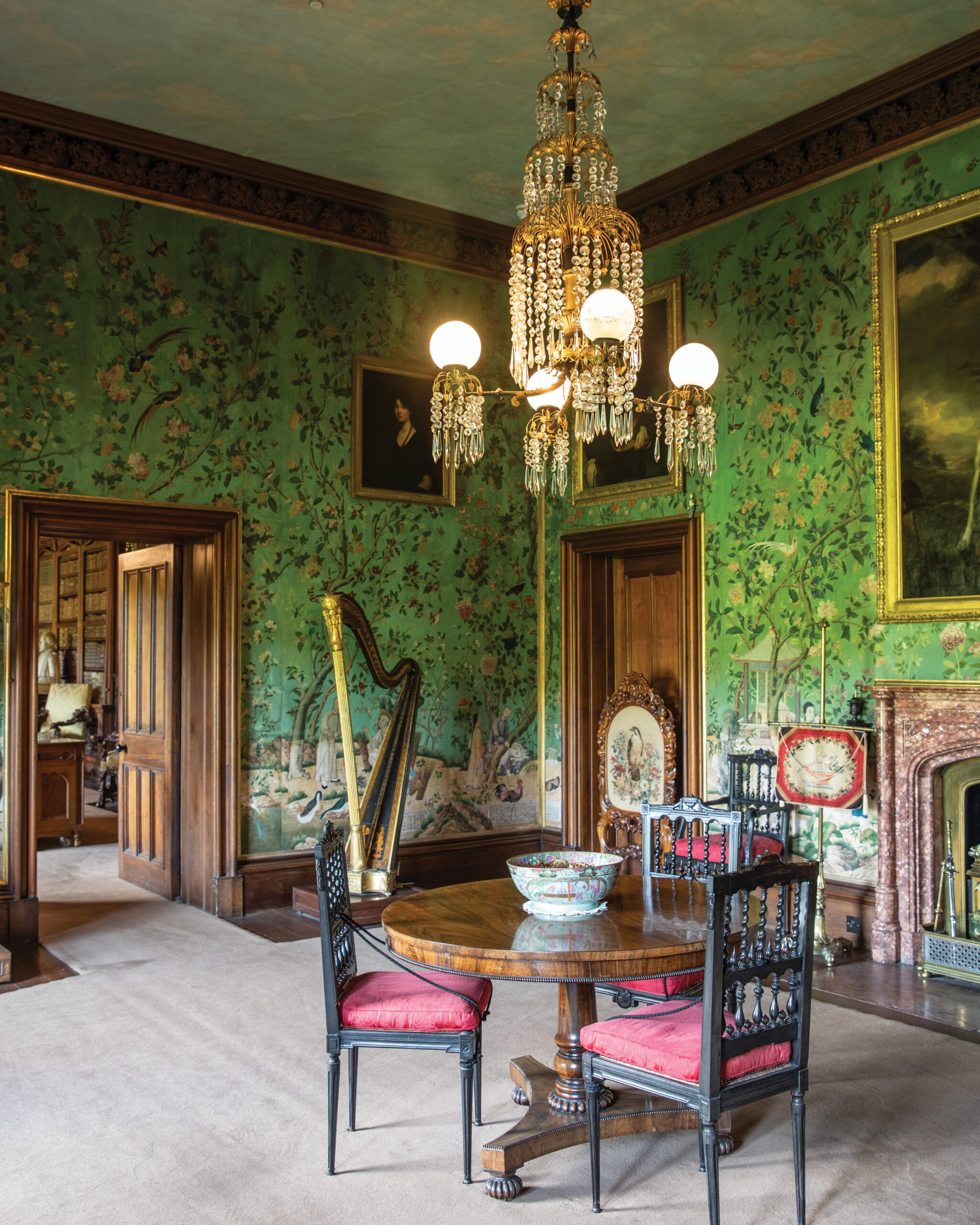
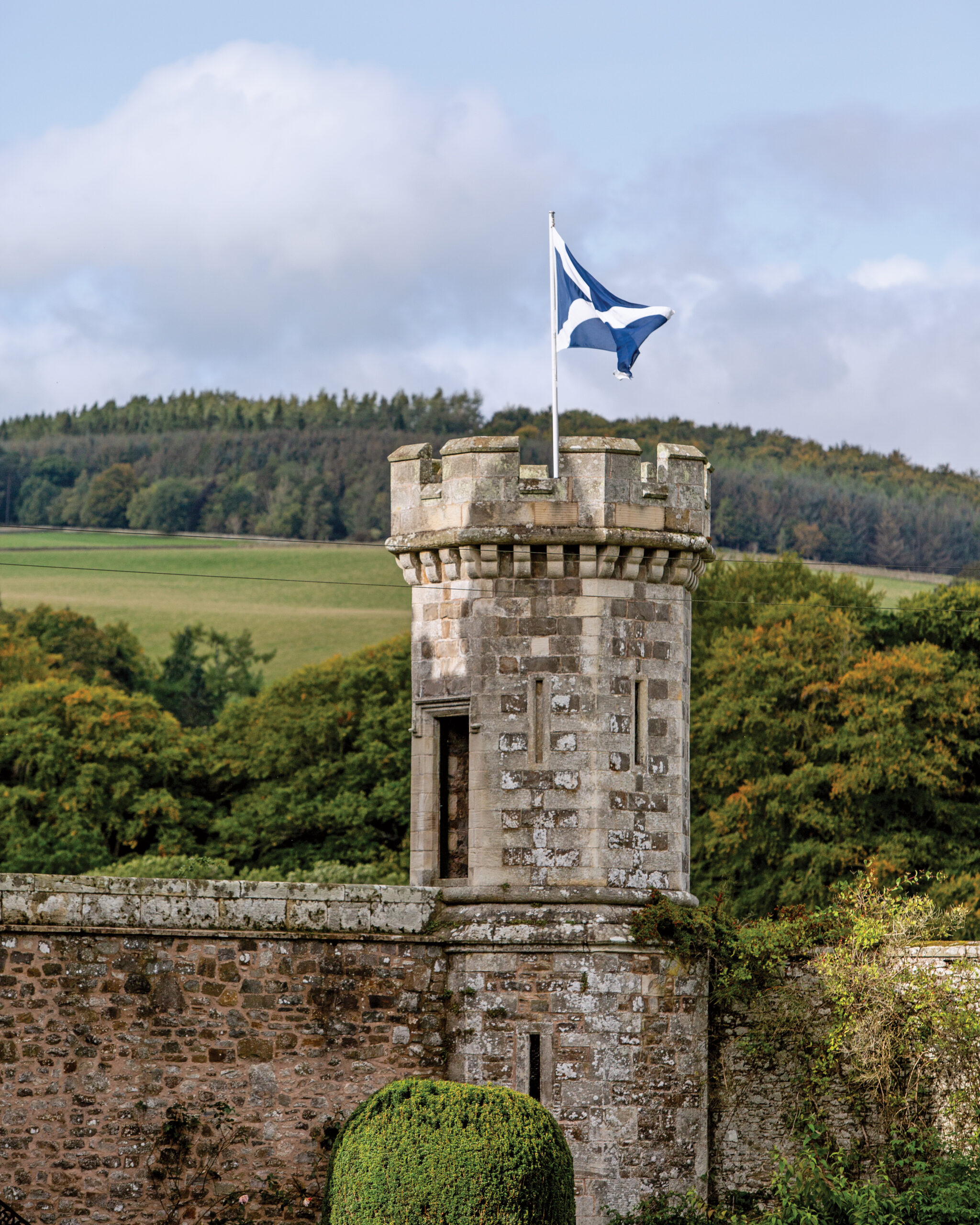 When conceiving the design for Abbotsford’s bountiful Regency-style garden, he consulted several artists and architects as well as friends. The writer wished to create a synergy between the luxurious interiors and the natural world surrounding his home. Scott’s hand guided every aspect of the 1,400-acre estate, from the landscaping and woodlands to the riverside paths.
Photography Stephanie Welbourne Steele
Styling Melissa Sturdivant Smith
Discover more inspiring travel destinations with a Victoria magazine subscription.